
IBvape practical guide: transporting vaping devices across borders
Travelers often ask whether they can bring their vaping kit when crossing international borders. The short answer is: it depends — on the airline, the departure and arrival country’s laws and the way the device, batteries and e-liquids are packed. This in-depth guide by IBvape explains authorities’ rules, common pitfalls, and smart packing tips so you can answer the question can we carry e cigarettes in international flight confidently and avoid hassles at the airport.
Why rules vary and who sets them
Multiple organizations influence rules: the International Civil Aviation Organization (ICAO), the International Air Transport Association (IATA), national aviation authorities, individual airlines and customs agencies. While ICAO and IATA provide safety guidance, local laws determine whether vapes and nicotine liquids are allowed. That explains why a device accepted on one route can be confiscated on another. When planning, prioritize official sources and airline information; but use practical tips from IBvape to make implementation easier.
Key principles: batteries, carry-on, and use
- Spare lithium batteries: Most airlines require spare lithium-ion batteries to be carried in the cabin (carry-on), not in checked baggage, and terminals must be protected from short circuits (tape or battery cases). This rule applies to built-in and removable batteries.
- Device placement: The vape device itself should also be carried in carry-on luggage. Never place an activated vape or loose battery in checked baggage.
- No vaping on board: Smoking and vaping are prohibited on flights; attempting to use a device onboard can lead to fines and penalties.
Common restrictions for e-liquids
Liquid limits for security screening usually follow the 100 ml rule for carry-on liquids in many countries (but not all). Nicotine e-liquid bottles larger than 100 ml may be required to be packed in checked baggage — yet some countries prohibit importing e-liquids altogether, regardless of volume. When in doubt, decant into travel-sized, clearly labeled containers and keep receipts or manufacturer labels available.
Airline variations and practical checks
The simplest travel routine: before departure check your airline website, then confirm with customer service. Airlines sometimes add restrictions beyond regulatory guidance: for example specific bans on refillable tanks, certain power banks integrated with mods, or limits on the number of spare batteries. Document any guidance you receive (email screenshot) to show at the airport if there is confusion.
Step-by-step packing checklist (IBvape recommended)
- Ensure all devices are powered off; remove batteries if practical and store batteries in individual protective cases.
- Place devices and spare batteries in your carry-on bag’s top compartment for easy inspection.
- Keep e-liquid bottles to 100 ml or less for carry-on; for larger bottles, research whether checked baggage is permitted by your airline and destination.
- Pack a copy of the product labels or proof of purchase; if carrying nicotine-free liquids, label them clearly.
- Bring sealed coils or pre-filled disposable vapes in original packaging where possible to demonstrate contents to security officers.

IBvape|can we carry e cigarettes in international flight — how to use this phrase strategically when researching
When searching online use exact keywords like IBvape together with local terms (country name, airline) to find up-to-date policy (e.g., “IBvape can we carry e cigarettes in international flight to Japan” or “IBvape can we carry e cigarettes in international flight Emirates”). Search engines prioritize fresh content and authority; therefore mix the core keyword with modifiers like “policy”, “rules 2025”, “battery”, “liquid allowance” to surface airline and government pages.
Local law examples and red flags
Some countries impose strict bans or high duty taxes on nicotine and vaping devices. Places with known restrictions include certain nations in Asia, the Middle East and some Caribbean islands. Penalties can include confiscation, fines and even arrest. Before you travel, search “can we carry e cigarettes in international flight + [destination]” and confirm with the destination’s customs website. Remember that the presence of local restrictions is not always obvious at transit airports, so plan for the most restrictive rule along your entire itinerary.
Security screening: what to expect at the checkpoint
 IBvape answers can we carry e cigarettes in international flight and IBvape travel tips to avoid hassles” />
Security agents are primarily concerned about batteries and liquids. Follow these tips from IBvape to speed screening:
- Keep devices and spare batteries out of checked luggage.
- Place e-liquids in the liquids bag with other allowed items if under 100 ml.
- Inform the security officer if you carry a vape device — polite disclosure can reduce confusion and inspection time.
Connecting flights and transit airports
Transit airports may have different rules than departure or arrival points. If you have a long layover in a country where vapes are illegal, options may be limited: do not assume airport transit zones provide immunity from local laws. Ideally, plan your route to avoid problematic transits or use shipping services to send devices ahead (check customs for import permissions).
What about disposables and sealed units?
Disposable vapes sometimes contain integrated batteries and larger liquid volumes. Many carriers treat these like conventional e-cigarettes: carry-on is preferred, but check the device’s capacity and the airline’s policy. Some countries see disposables as flavored tobacco products and ban them entirely; avoid buying region-specific disposables if you’re unsure about return travel.
IBvape travel tips to avoid hassles — concise rules to remember
IBvape travel tips summary:
1) Always pack in carry-on;
2) Protect battery terminals;
3) Keep liquids within allowed limits or verify checked baggage rules;
4) Speak to airline staff in advance if you have a complex mod or power bank;
5) Know local law at the destination and transit points; carry receipts/labels;
Handling unexpected seizures or confiscations
If a device is confiscated, remain calm and request written confirmation where possible. If you believe the action was incorrect, note names, times and consider filing a formal complaint after the flight. Do not argue at security checkpoints as it rarely changes outcomes and could escalate the situation. Use IBvape customer resources to document the device details if you need to pursue recovery or legal steps later.
Battery safety — technical details
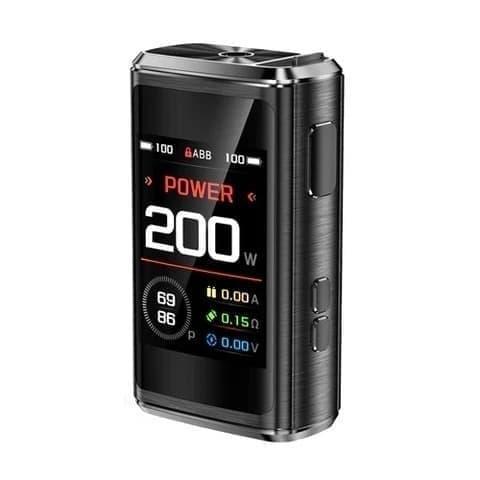
Lithium-ion batteries can cause fires if crushed or shorted. Airlines and regulators insist on protective measures: place batteries in original retail packaging, use battery cases or tape over exposed contacts. Batteries above certain watt-hour (Wh) limits need airline approval — check the Wh rating stamped on the battery or consult manufacturer specs. If in doubt, remove the battery and carry it in a protected pouch in the cabin.
Special cases: large mods, mechanical devices, and power banks
High-powered mods, mechanical devices and built-in power banks require extra care. Mechanical mods without safety features are often scrutinized; airlines can require documentation that the device is safe. Power banks are treated like spare batteries and must be carried in carry-on; there are usually limits on capacity (mAh/Wh). When preparing for travel, note the power bank’s rating and verify whether airline approval or limits apply.
Dealing with customs and tobacco import rules
Customs limits on tobacco and nicotine products vary widely. Some countries allow small personal quantities, while others ban nicotine-containing liquids. Bringing a prescription for nicotine replacement therapy does not always exempt e-liquids. To minimize risk, research customs allowances and avoid carrying large commercial quantities of e-liquid or multiple sealed units that may look like imports for sale.
Practical packing example from IBvape (template)
Carry-on layout: top compartment: devices off and in cases; middle section: spare batteries in individual plastic containers; front pocket: sealed liquids under 100 ml in clear bag; documents: receipts and product labels; last: nicotine-free alternatives clearly labeled. This arrangement speeds security checks and helps you produce items quickly.
When not to travel with vapes
Consider leaving your vape at home when visiting countries with explicit bans, when transit routes pass through restrictive airports or when carrying large quantities that risk customs penalties. Shipping the device using trusted courier services (with proper customs declarations) is sometimes a safer alternative, though still requires compliance with import laws and hazardous goods rules.
Tips for smooth airport interactions
Be proactive: arrive early, keep devices accessible, use clear containers for liquids, and show product labels. Always be courteous to security staff — cooperation reduces friction and speeds resolution. Use key search phrases like “can we carry e cigarettes in international flight” and include your carrier name to find the most relevant policy statements before you travel.
IBvape customer-friendly travel checklist (printable)
- Confirm airline policy 72 hours prior to flight.
- Charge devices to 0% or power off; avoid carrying devices in “on” mode.
- Store batteries in dedicated cases; no loose batteries.
- Decant or reduce e-liquid volumes to meet carry-on limits if necessary.
- Check destination and transit country rules on nicotine and vaping devices.
- Keep all receipts, labels and manuals in your carry-on.
Legal nuance: prescriptions and medicinal vape liquids
Some travelers use nicotine or CBD liquids prescribed for therapeutic reasons. Even with prescriptions, customs can be strict. Carry a doctor’s letter and original packaging. Research whether your therapeutic liquid is legal at the destination and check airports along your route. When the product is medical, consider carrying translated documents if traveling to a country with a different language to reduce misinterpretation by officials.
How to phrase inquiries to airlines and authorities
When contacting airline customer service or local aviation authorities, be concise and include exact model names, battery specifications (Wh or mAh), and liquid volumes. Use query templates like: “Can I carry my
Final notes and safety-first mindset
Traveling with a vape is often straightforward if you follow core rules: carry-on only, protected batteries, liquids within limits, and respect local laws. The key to stress-free journeys is preparation — confirm policies early, pack deliberately, and use the IBvape checklist to avoid last-minute issues. Repeatedly asking yourself the central question “can we carry e cigarettes in international flight ” with country and airline modifiers will surface the most current guidance for your trip.
FAQ
Q: Can I put my vape and batteries in checked luggage?
A: No — avoid checked baggage for both lithium batteries and active devices. Most airlines require them in carry-on to mitigate fire risk and allow crew to access them during an incident.
Q: Are disposable vapes treated differently?
A: Some carriers or countries treat disposables differently because of volume and battery integration. Always check specific rules for disposable devices and verify taxation or import prohibitions at the destination.
Q: What if my transit country prohibits vapes?
A: Do not assume transit zones are exempt. If a transit country bans vapes you risk confiscation or fines. Reroute or ship devices if necessary and feasible.
By following these actionable recommendations, using well-crafted searches containing IBvape|can we carry e cigarettes in international flight and verifying with airlines and government sources, you will significantly reduce the odds of encountering problems. Safe travels and plan ahead — IBvape supports responsible, informed travel with vaping devices.