
With the rise in popularity of e-cigarettes, smoking e-cigarettes indoors has become a topic of discussion, particularly concerning its impact on air quality and health. As people shift from traditional smoking to vaping, understanding the nuances and effects of this behavior indoors is essential. When e-cigarettes are used, they release aerosols into the air, which can contain harmful chemicals and substances that may affect indoor air quality.
Air Quality Concerns
One of the major concerns of smoking e-cigarettes indoors is the alteration of air quality. E-cigarette aerosols can contain nicotine, volatile organic compounds (VOCs), and tiny particulate matter, which can linger in the air. This residue not only affects the air that others breathe but can also settle on surfaces, leading to potential third-hand exposure. Comparative studies have indicated that while e-cigarettes release fewer harmful compounds than traditional cigarettes, their impact on indoor air quality cannot be ignored. Buildings with limited ventilation can accumulate these substances, causing potential harm to non-smokers.
Health Implications of Indoor Vaping
Beyond air quality, the health implications of vaping indoors are significant. Nicotine exposure is a primary concern, particularly for children and pets, who may be more susceptible to its harmful effects. Breathing in the nicotine-infused aerosol can lead to health issues ranging from respiratory problems to more severe conditions. E-cigarettes can also contain other toxic elements like formaldehyde and acrolein, which pose additional health risks. The effects are compounded in enclosed spaces, where continuous use could lead to increased exposure levels.
Legal and Social Aspects
Legalities surrounding smoking e-cigarettes indoors vary widely, with some regions imposing strict bans similar to traditional cigarette smoking, while others lack comprehensive regulation. The social aspect is equally important; as public perception shifts, individuals might face social consequences or disapproval from peers and family members when vaping indoors.
- First-Hand Vs. Second-Hand Exposure:
 While smokers may feel less concern regarding indoor e-cigarette use due to reduced smoke production, second-hand exposure remains a worry for non-smokers.
To minimize risks, implementing strategies like using vaporizers near windows or ensuring robust ventilation can prove helpful. Air purifiers could also assist in maintaining cleaner indoor air.
FAQs on Indoor Vaping
Is vaping indoors safe?
While vaping produces fewer pollutants than smoking, it can still release harmful substances into the air, potentially affecting those who inhale them.
Are there regulations on indoor vaping?
Regulations can vary significantly by region, with some areas prohibiting indoor e-cigarette use in public spaces.
How can I reduce the impact of vaping indoors?
To reduce the impact, maintain good ventilation and use air purifiers to help clear the air of residual chemicals.

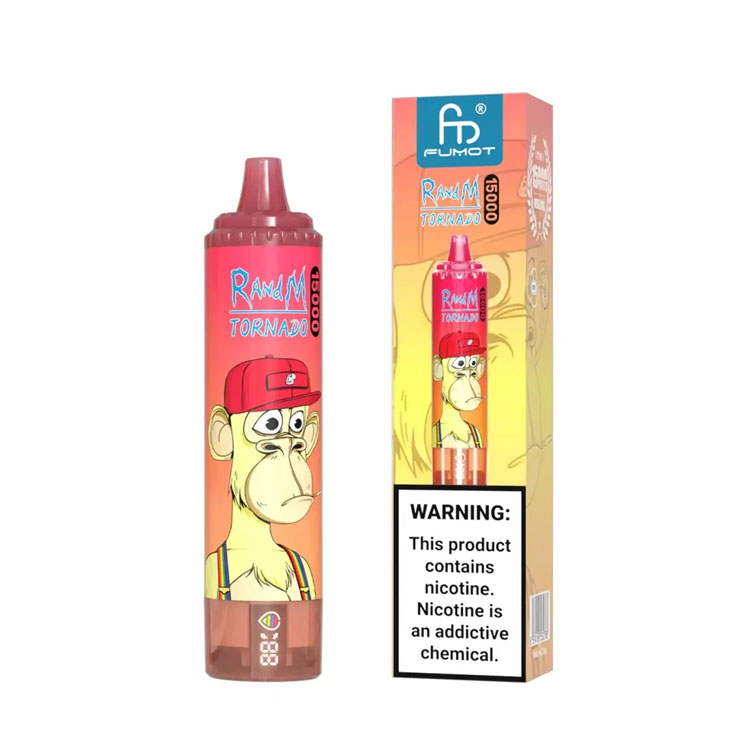
In conclusion, while e-cigarettes may present a seemingly safer alternative, smoking them indoors continues to pose concerns regarding air quality and health. Awareness and responsible vaping practices can help mitigate these issues, ensuring a healthier environment for everyone.