
Flying with an e-cigarette raises numerous questions about what is allowed and what isn’t. It’s crucial for travelers who use e-cigarettes to understand the rules and restrictions surrounding their use during flights. Electronic cigarettes, also known as e-cigarettes or vapes, have gained significant popularity in recent years, leading to an increase in the number of travelers carrying them. As airlines and aviation authorities update their regulations to accommodate these devices, passengers need to stay informed on the latest guidelines to avoid inconvenience.
E-Cigarette Policies: What You Need to Know Before Flying
The general rule across most airlines is that passengers are allowed to carry e-cigarettes in their hand luggage. However, using them during the flight is typically prohibited. This restriction aligns with the bans on smoking traditional cigarettes in the cabin. The reasoning behind this prohibition is rooted in safety concerns, particularly the risk of e-cigarettes overheating or causing fire hazards. It’s essential for passengers to check with their specific airline as rules can vary. Airlines such as Delta, American Airlines, and British Airways have firm no-vaping policies on board, and travelers should confirm these guidelines prior to departure.
Carrying e-cigarettes involves understanding both airline and government regulations. For instance, the Transportation Security Administration (TSA) mandates that e-cigarettes be stored in carry-on luggage rather than checked baggage. This rule aims at reducing the risk of fire in the cargo hold. Additionally, e-liquids must adhere to the 3-1-1 liquid regulations, meaning each container must not exceed 3.4 ounces (100 milliliters), and all containers must fit in a one-quart-sized bag.
Onboard Etiquette and Considerations
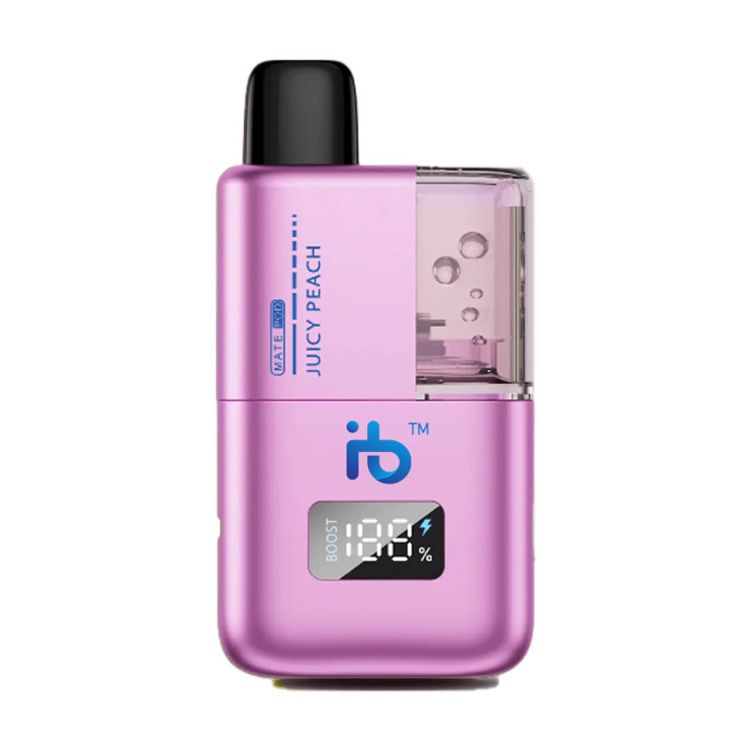
While onboard, respect for fellow passengers is key. Although you cannot use e-cigarettes during the flight, understanding their potential disruption can help maintain a peaceful cabin environment. The vapor from e-cigarettes, while different from tobacco smoke, could still be bothersome to others, especially in a confined space like an airplane cabin. Being considerate of others ensures a smooth flight experience for everyone.
Handling E-Liquids and Additional Accessories
Traveling with e-cigarettes isn’t just about the device itself; you also need to consider e-liquids and other accessories. Ensure all e-liquid containers comply with airline regulations and that batteries are adequately protected to prevent any short circuits. Accessories such as chargers should be packed in a way that they do not pose any danger during the flight. It’s advisable to remove e-liquid tanks from devices to prevent leakage caused by cabin pressure changes.
Staying updated about the regulations of your destination country is also crucial. Some countries have stringent laws regarding e-cigarettes that may differ significantly from those in your home country or the airline’s policies. For instance, places like Singapore and Thailand have severe penalties for possession and use of e-cigarettes.
FAQs

Can I charge my e-cigarette on the plane?
Most airlines prohibit charging e-cigarettes onboard to avoid potential safety hazards. It is recommended to ensure your device is fully charged before boarding.
What happens if I use my e-cigarette on the plane?
Using an e-cigarette on a plane can result in fines and other penalties as per airline regulations. It is advisable to adhere strictly to onboard rules to avoid any legal issues.
Are there any airlines that allow vaping on board?
Currently, no major airlines allow the use of e-cigarettes during their flights. Always check with your specific carrier to ensure compliance with their policies.