
The rising popularity of e-cigarettes has brought about various discussions regarding their health implications, one of which is the perplexing phenomenon of persistent coughing. When individuals transition from traditional cigarettes to e-cigarettes, many anticipate an improvement in respiratory health. However, there are cases where users experience an unexpected persistent cough. Understanding why this occurs is crucial for both current and prospective users.
Understanding E-Cigarettes
E-cigarettes are designed to simulate the act of smoking but typically contain fewer harmful substances than traditional cigarettes. They feature a mechanism that heats a liquid, often referred to as ‘vape juice’ or ‘e-liquid,’ which usually consists of nicotine, flavorings, and a base such as propylene glycol or vegetable glycerin. These substances are generally recognized as safe for consumption, but their effects when vaporized and inhaled require further examination.
The Role of Ingredients
Among the ingredients in e-liquids, propylene glycol and vegetable glycerin are known to potentially irritate the respiratory system. Propylene glycol can lead to throat dryness and a tickling sensation, which may elicit coughing. As users continue vaping, the constant exposure might exacerbate the irritation, resulting in a chronic cough. Vegetable glycerin is less irritating but contributes to producing thicker vapor, which some find difficult to inhale, potentially leading to coughing.
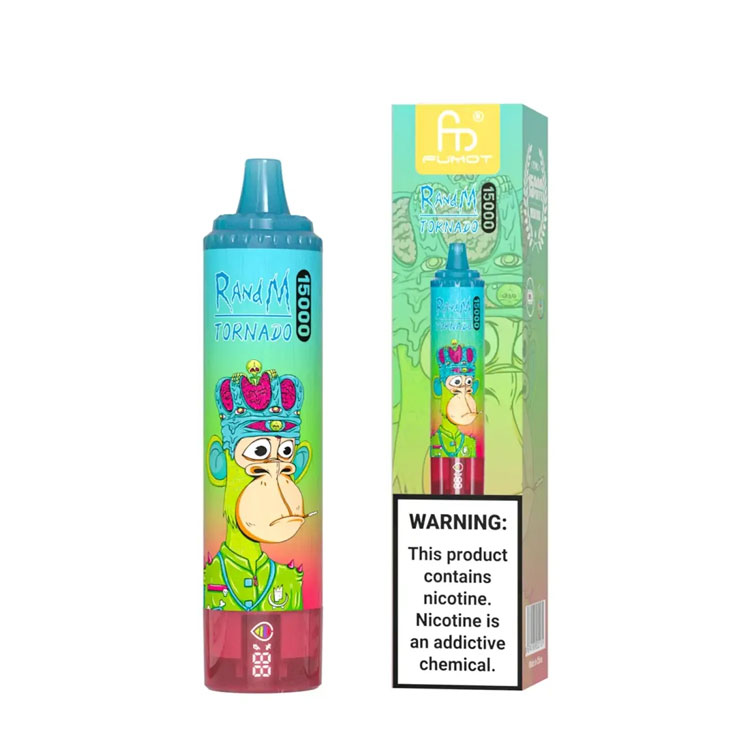
Nicotine’s Impact
Although many e-cigarette users reduce their nicotine intake, it’s essential to note that nicotine itself can be a cough trigger. It has a bronchoconstrictive effect, which means that it narrows the air passages in the lungs, potentially leading to coughing. Furthermore, higher concentrations of nicotine can intensify throat irritation, prompting a persistent cough among users.
Psychosomatic Factors
Aside from the chemical nature of e-liquids causing coughing, there is also the potential for psychosomatic factors to play a role. Psychological expectations and the transition from smoking can influence physical responses. Some individuals might subconsciously expect to cough as they adapt to the vapor rather than smoke, leading to habitual coughing.
Switching Too Quickly
Another consideration is the abrupt switch to e-cigarettes from traditional smoking. The body needs time to adapt to new substances and inhalation methods. Users might find that a gradual transition allows their respiratory system to acclimate, reducing bouts of coughing. A sudden change can shock the system, possibly resulting in a persistent cough.

Minimizing Coughing Episodes
To counteract coughing from e-cigarettes, users might consider adjusting their vaping techniques. Taking slower, shorter inhalations can minimize irritation. Additionally, varying the nicotine strength and experimenting with different e-liquids can identify which combinations trigger the least coughing, ensuring a more pleasant experience.
FAQ
Q: Can switching e-liquid help reduce coughing?
A: Yes, trying different e-liquids with variations in propylene glycol or vegetable glycerin concentrations may reduce respiratory irritation, thus lessening cough.
Q: Is coughing a sign to stop vaping immediately?
A: Not necessarily, but persistent coughing should be addressed. It may require altering vaping habits or consulting with a medical professional.
Q: Can long-term vaping cause chronic cough?
A: While evidence is still emerging, chronic coughing can result from continual irritation, suggesting moderation and diligence in monitoring any long-term effects.