
As Germany looks ahead to the year 2025, significant changes are anticipated in the realm of e-cigarette regulations, reflecting a growing awareness of their impact on public health and safety. The regulatory environment in Germany concerning e-cigarettes is evolving, with amendments targeting various aspects such as manufacturing standards, marketing practices, and consumer protection measures. Understanding these changes is crucial not only for manufacturers and marketers but also for consumers who partake in vaping.
One prominent aspect of Germany’s 2025 e-cigarette regulations involves stricter manufacturing standards.
These revisions aim to ensure the safety of e-cigarette components, including batteries and liquid cartridges, by subjecting them to rigorous quality control processes. This move is intended to mitigate risks such as battery explosions and toxic chemical exposure, which have been concerns raised by health advocates. The German government is expected to partner with bodies like the European Union to implement these standards uniformly across member states, reflecting a pan-European approach to regulation. Besides manufacturing practices, marketing regulations are set to become more stringent. Advertising for e-cigarettes will face tighter scrutiny, with particular emphasis on reducing youth-targeted promotions. Studies have shown that minors are particularly susceptible to the lure of flavored e-cigarettes and slick advertising campaigns. Hence, these regulations will likely restrict flavor descriptions that appeal to younger demographics and limit advertising spaces to reduce visibility among youth audiences. Another important facet of Germany’s regulatory framework for 2025 concerns consumer protection measures designed to ensure that users are well-informed. Packaging will be mandated to display comprehensive information about e-cigarette contents, potential health risks, and usage instructions. Such transparency aims to empower consumers, allowing them to make informed decisions regarding their choices and usage of vaping products.
Compliance and Consequences
Manufacturers and vendors will be held to strict compliance standards to adhere to these new regulations. Non-compliance can lead to severe penalties, including fines or revocation of business licenses, underscoring the importance of adhering to established guidelines. This approach highlights Germany’s commitment to maintaining consumer safety and public health. As the landscape for e-cigarette regulations in Germany progresses toward these developments, several questions arise.
- Are there exceptions for certain e-cigarette products under the new regulations?
- How will these regulations impact existing e-cigarette users?
- What happens to international brands operating in Germany?
The regulations are comprehensive, leaving little room for exceptions. They apply uniformly across different e-cigarette types and brands.
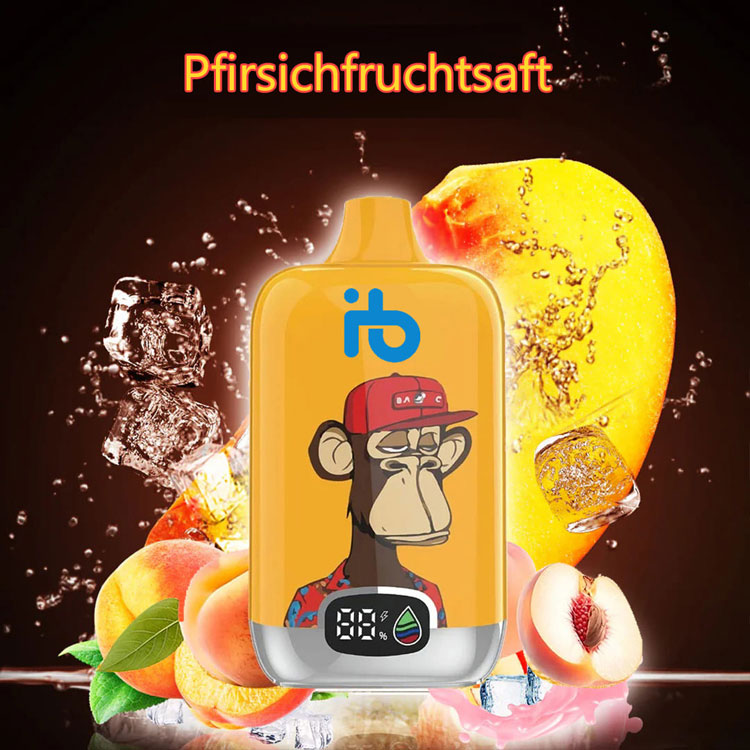
Current users may notice changes primarily in product availability and marketing strategies. These modifications could influence product choice but are intended to enhance safety.

International brands need to align with German standards to remain operational within the country. Failure to comply may result in restricted market access or fines.
In summary, Germany’s e-cigarette regulations for 2025 are set to establish a more controlled and robust framework aimed at safeguarding public health, particularly by imposing manufacturing standards, marketing restrictions, and enhanced consumer protections. Whether these changes will significantly alter the vaping landscape remains a point of active discussion. Community members, health professionals, and regulatory bodies alike will be keenly observing the impact of these changes on consumer safety and market dynamics.