
Components of An E-Cigarette
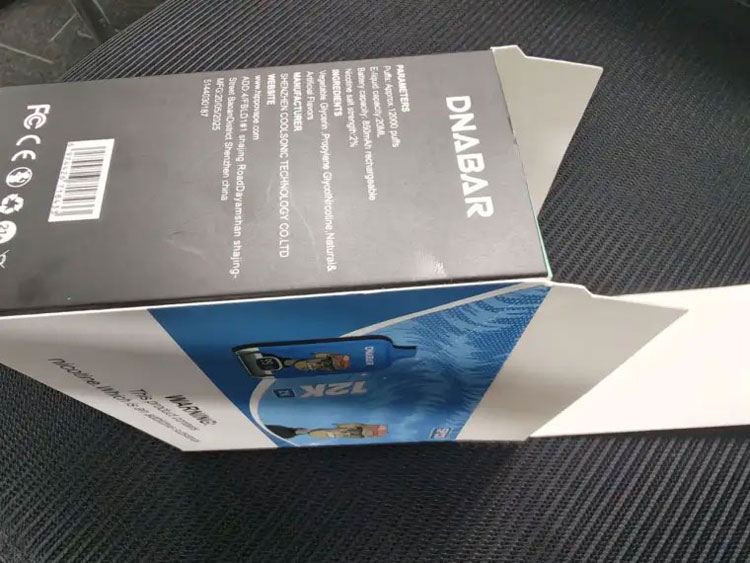
To understand how e-cigarettes work, it is essential to understand their main components. An e-cigarette usually consists of a battery, atomizer, and a cartridge or tank. The battery provides the necessary power to heat the atomizer. The atomizer then heats up the e-liquid, turning it into vapor that the user inhales through the mouthpiece. Depending on the design, the cartridge many times doubles as the mouthpiece.
Battery: The Power Source
The battery is a crucial part of the e-cigarette. It powers the device and comes in different capacities, affecting the usage duration. Some batteries are rechargeable, and others are replaceable, providing flexibility based on user preference.
Atomizer: Creating the Vapor
The atomizer is a small heating element that vaporizes the e-liquid. It’s often composed of a coil and a wick; the wick absorbs the e-liquid, while the coil heats to convert it into vapor. The atomizer’s resistance is measured in ohms, which can affect the amount of vapor produced.

Cartridge or Tank: Holding the E-Liquid
The cartridge holds the e-liquid, which is essential for generating vapor. There are different types of cartridges, such as disposable pre-filled ones or refillable tanks, giving users options based on convenience and preference.
How E-Liquid Contributes to Functionality
E-liquid is crucial as it determines the flavor and nicotine strength of the vapor. It typically consists of propylene glycol (PG) or vegetable glycerin (VG), which can affect the throat hit and vapor density. PG provides a stronger hit, while VG results in denser clouds. Users can choose different nicotine levels, ranging from high to zero.
Safety Considerations
While e-cigarettes are generally considered safer than traditional smoking, there are potential risks. It’s important to ensure devices are purchased from reputable sources and properly maintained. Avoiding counterfeit products can minimize the risk of malfunction and exposure to harmful substances.
Choosing the Right E-Cigarette
When selecting an e-cigarette, consider factors such as battery life, ease of use, e-liquid compatibility, and size. Personal preference plays a significant role in determining the best device for an individual. Some users prefer larger devices with bigger clouds, while others choose discreet and portable options.
FAQs
What is the difference between PG and VG?
PG (Propylene Glycol) offers a stronger throat hit, while VG (Vegetable Glycerin) creates thicker clouds. The choice between them affects the vaping experience.

Can e-cigarettes help quit smoking?
Many users find e-cigarettes helpful in reducing traditional smoking. However, results vary, and they should not be solely relied upon for quitting.
Are e-cigarettes safe?
E-cigarettes are generally considered safer than smoking. However, they still carry risks, and long-term effects are not yet fully understood.
In conclusion, understanding how an e-cigarette works involves comprehending its components and the role they play in vapor production. As technology advances, these devices continue evolving, offering a wide range of features to suit different user needs.