
Understanding the Risks: What Consumers Should Know About Vaping and Lung Injury

As electronic nicotine delivery systems continue to evolve, consumers face a growing array of choices and a rising need for clear, research-based information. This article explores the current evidence linking e-cigarettes and the condition often referred to in media as “popcorn lung,” clarifies common misconceptions, and offers practical guidance for users, families, and healthcare professionals.
Key concepts and terminology
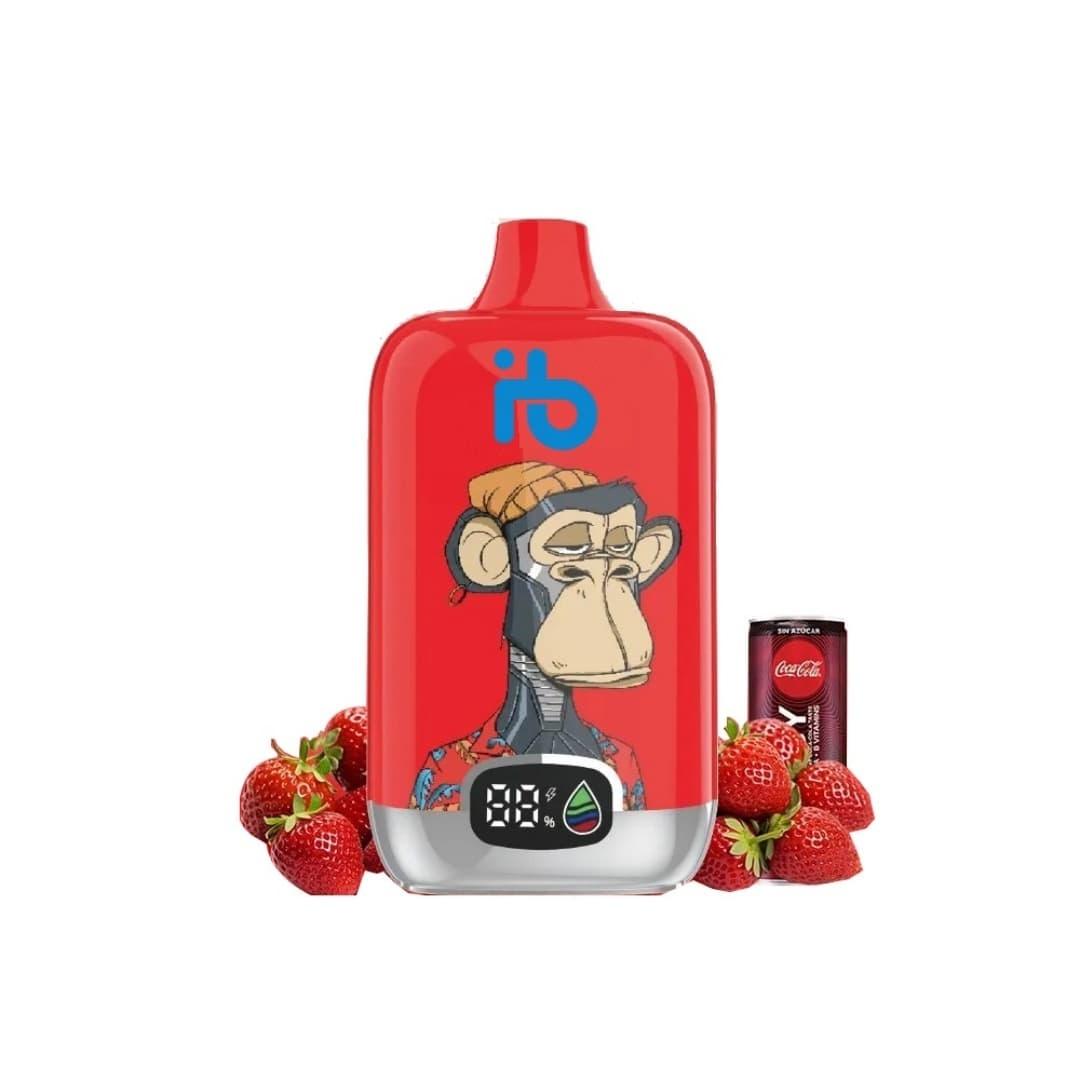
Before diving into studies and risks, it’s useful to define terms. The phrase e-cigaretta is a variant term used in some languages and conversations to describe e-cigarettes or vapes. For SEO clarity, this article will reference both e-cigaretta and e cigarettes and popcorn lung to cover likely search intents. “Popcorn lung” is a lay term for bronchiolitis obliterans, a rare and serious condition involving scarring of the small airways that leads to long-term breathing problems.
What is bronchiolitis obliterans?
Bronchiolitis obliterans (BO) is a fibrotic disease of the bronchioles—the tiny airways in the lungs. Symptoms often include persistent cough, wheeze, shortness of breath, and exercise intolerance. BO has many causes historically, including inhalation of certain toxic chemicals, severe infections, and post-transplant complications.
Origins of the “popcorn lung” association
One reason the public links vaping to “popcorn lung” comes from an occupational case series in workers at microwave-popcorn factories where diacetyl, a buttery-flavoring chemical, was implicated in causing bronchiolitis obliterans. Because diacetyl has been detected in some flavored e-liquids, alarm bells sounded in public health discussions.
Diacetyl: presence and risk in e-liquids
Studies testing e-liquids and aerosols have found diacetyl and related diketones in a subset of flavored products, particularly those promoting buttery, caramel, or custard notes. However, several important qualifiers matter: the concentrations in many e-liquids are often much lower than those documented in occupational exposures linked to BO; measurement methods, devices, and puffing patterns change aerosol chemistry; and long-term inhalation exposure data for consumers are limited. Therefore detection does not equal proven causation at consumer exposure levels.
What the scientific literature says
The body of evidence regarding e cigarettes and popcorn lung consists of laboratory analyses, animal models, in vitro studies, case reports, and population-level epidemiology. None of these alone provides definitive proof, but together they inform risk assessments.
Laboratory and chemical analyses
Numerous chemical surveys have screened e-liquids and vapors for diacetyl and related compounds. While a subset contains detectable diketones, many manufacturers have reformulated popular flavors to reduce or remove these chemicals. Independent testing, however, shows variability by brand and flavor, and not all products disclose accurate ingredient lists.
Animal and in vitro studies
Animal inhalation studies and cell-culture experiments demonstrate that certain e-cigarette aerosols can provoke inflammation, oxidative stress, and cellular changes in airways. Some patterns overlap with early pathways implicated in bronchiolar injury, but translating dose, exposure duration, and species differences to human clinical risk is complex and uncertain.
Case reports and clinical observations
Isolated case reports have described bronchiolitis obliterans-like pathology in people who used flavored e-cigarettes, but causal attribution is challenging due to confounders such as prior smoking, occupational exposures, or coexisting respiratory conditions. The number of robust, peer-reviewed clinical cases directly linking routine e-cigarette use to confirmed BO remains small.
Population-level studies
Large epidemiologic studies and surveillance systems have identified associations between e-cigarette use and various respiratory symptoms, asthma exacerbations, and increased risk of chronic bronchitic symptoms. However, demonstrating a direct causal link to frank bronchiolitis obliterans at a population level requires long-term follow-up and precise exposure assessment that currently are limited.
How risk is assessed and what factors modify it
Risk is not uniform across products or users. Important modifiers include:
- Product formulation: presence and concentration of diketones like diacetyl and acetyl propionyl.
- Device characteristics: power output, coil temperature, and aerosol generation can change chemical formation.
- User behavior: puff duration, frequency, and how users modify devices (e.g., sub-ohm vaping) impact exposures.
- Concurrent exposures: prior or ongoing combustible tobacco smoking adds baseline lung injury risk.
- Individual susceptibility: pre-existing lung disease, genetics, and immune status influence outcomes.
Comparative perspective
From a harm-reduction lens, current evidence generally supports that combustible cigarette smoke causes far greater, well-documented lung damage and carcinogenic exposure than typical e-cigarette aerosol. That does not equate to safety for e-cigarettes, only relative risk differences. The specific question of whether e-cigarettes cause bronchiolitis obliterans at consumer exposure levels remains unresolved but biologically plausible in some scenarios.
Consumer guidance and practical steps
Given uncertainty but potential for harm, consumers and clinicians can take precautionary measures:
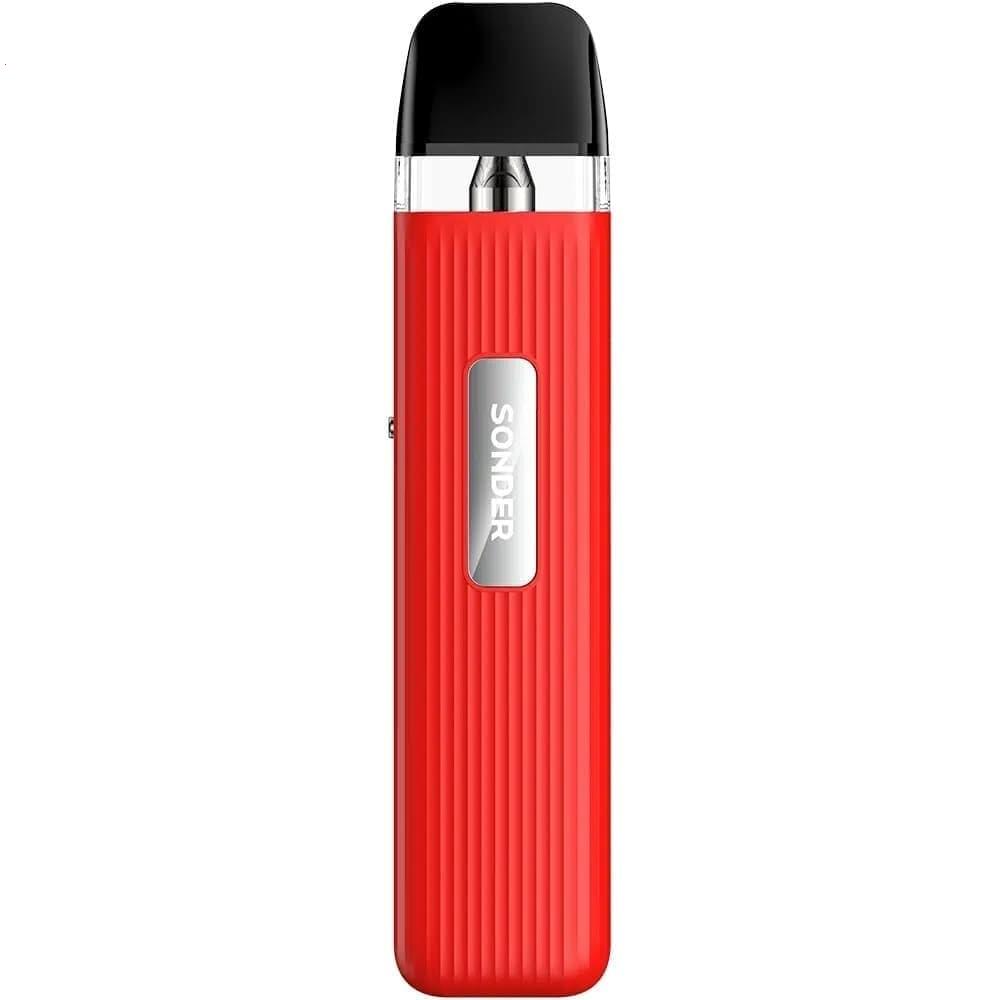
- Avoid non-disclosed or homemade e-liquids and unauthorized modifications that can increase harmful chemical formation.
- Prefer products from reputable manufacturers that publish ingredient lists and have reformulated to remove known diketones where possible.
- Recognize that flavored products, particularly buttery, custard, or sweet bakery flavors, have been more likely to contain diketones in testing and may therefore present higher theoretical risk of airway injury.
- Do not assume “natural” or “food-grade” flavoring is safe for inhalation—ingestion standards do not equate to inhalation safety.
- If you have respiratory symptoms (chronic cough, unexplained wheeze, progressive shortness of breath), seek prompt medical attention and tell clinicians about vaping history and product details.
- Young people, pregnant people, and never-smokers should avoid e-cigarette use, given nicotine addiction risk and uncertain respiratory effects.
For smokers considering alternatives
Adults trying to quit combustible smoking should consult healthcare providers about approved cessation tools (nicotine replacement therapy, medications, counseling). Some clinicians use e-cigarettes as a transition strategy when other methods fail, but this is an individualized decision that balances potential reduced harm with unknown long-term risks.
Regulatory and industry context
Regulators in many countries have moved to limit certain flavorings, require ingredient disclosure, and restrict marketing to youth. These policies aim to reduce exposure to potentially harmful additives and protect vulnerable populations. Consumer pressure and testing by independent labs have also encouraged reformulation efforts to remove diacetyl from many e-liquids, but product heterogeneity remains.
Signs clinicians and users should watch for
Early recognition of serious airway disease can affect outcomes. Be alert to: persistent nonproductive cough, progressive dyspnea, reduced exercise tolerance, hypoxemia, or imaging that shows small-airway disease. Pulmonary function tests demonstrating obstructive patterns with air-trapping and decreased diffusion may prompt further evaluation. In suspected severe cases, referral to a pulmonologist and high-resolution CT imaging, bronchoscopy, or surgical lung biopsy could be considered depending on clinical context.
Research gaps and future directions
Key unanswered questions include:
- Long-term inhalation consequences of routine e-cigarette use across diverse devices and flavors.
- Quantitative exposure thresholds for diketones in aerosols that cause clinically meaningful airway fibrosis.
- Interactions between prior tobacco smoke exposure and subsequent aerosol-related airway injury.
- Population-level incidence trends of bronchiolitis obliterans and other chronic airway diseases linked to vaping.
Addressing these gaps requires longitudinal cohort studies, standardized aerosol chemistry methods, and collaboration between regulators, manufacturers, independent labs, and clinical researchers.
Balanced takeaways
At present, the link between e cigarettes and popcorn lung remains biologically plausible and supported by some chemical and mechanistic data, but definitive, large-scale human evidence that routine e-cigarette use commonly causes bronchiolitis obliterans is limited. Detection of harmful chemicals in some products justifies precaution, improved product oversight, and consumer education. For smokers, switching to less harmful alternatives may reduce known risks from combustible tobacco, but complete cessation remains the healthiest course.
Final consumer checklist
- Know what you’re inhaling: read ingredient lists and independent lab reports when available.
- Avoid buttery or custard-flavored liquids if you are concerned about diketone exposure.
- Do not modify devices in ways that increase coil temperatures or aerosol generation unpredictably.
- Seek medical care for persistent respiratory symptoms and disclose vaping history.
- If quitting smoking, discuss evidence-based cessation with a clinician; weigh risks and benefits of any product used to quit.
Resources and where to learn more
Reliable sources include national public health agencies, peer-reviewed journals on pulmonology and toxicology, and independent laboratory testing organizations that publish ingredient and aerosol analyses. Consumers should be cautious of marketing claims and seek third-party verification when assessing product safety.
FAQ
Q1: Does vaping definitely cause popcorn lung?
No. Current evidence does not prove that routine e-cigarette use definitively causes bronchiolitis obliterans in most users. However, some e-liquids contain chemicals like diacetyl that have been linked to BO in high occupational exposures, so a cautious approach is sensible.
Q2: Which flavors should I avoid if I’m worried about airway risk?
Flavors described as buttery, custard, caramel, or heavy dessert types have been more commonly associated with diketone presence in testing. Choosing products without these flavor profiles and checking for independent lab data can reduce potential exposure.
Q3: Are there safer e-cigarette products?
Products that disclose ingredients, avoid known hazardous additives, and are sold by reputable manufacturers are likely lower risk, but no e-cigarette can be called completely safe for the lungs. Safer does not mean safe.