
Understanding Disposable Vapes and Legal Context for Consumers
If you are researching E-Papierosy Jednorazowe or looking for a clear summary that will describe legal restrictions on tobacco and e-cigarettes across Poland and the European Union, this practical guide is written for you. It combines regulatory essentials, consumer safety tips, and compliance signals to help buyers, retailers, and public health professionals navigate a shifting legal landscape. This article emphasizes important legal principles, common national measures, and actionable steps so you can assess whether a disposable e-cigarette product complies with current rules.
Quick snapshot: What rules matter most?

At the EU level, the Tobacco Products Directive (TPD, Directive 2014/40/EU) sets foundational rules that member states implement domestically. For many consumers and vendors, the most visible elements are limits on nicotine strength, packaging warnings, notification and reporting obligations for manufacturers, and restrictions on cross-border advertising. In Poland, as in other member states, national measures implement the TPD and may add further restrictions—typically including an 18+ age limit for purchase, bans or limits on certain marketing practices, and disposal or environmental rules for single-use devices.
Key EU rules that often affect disposable vapes
- Nicotine concentration cap: Most EU member states enforce the TPD limit of 20 mg/mL maximum nicotine strength for e-liquids. For consumers comparing labels, this makes the nicotine content comparable across compliant disposable products.
- Volume limits for cartridges and refills: Refill containers are capped (commonly 10 mL), while cartridges and tanks used in closed systems are limited (commonly 2 mL). Disposable devices that integrate a pre-filled tank or pod are designed to meet these volume rules.
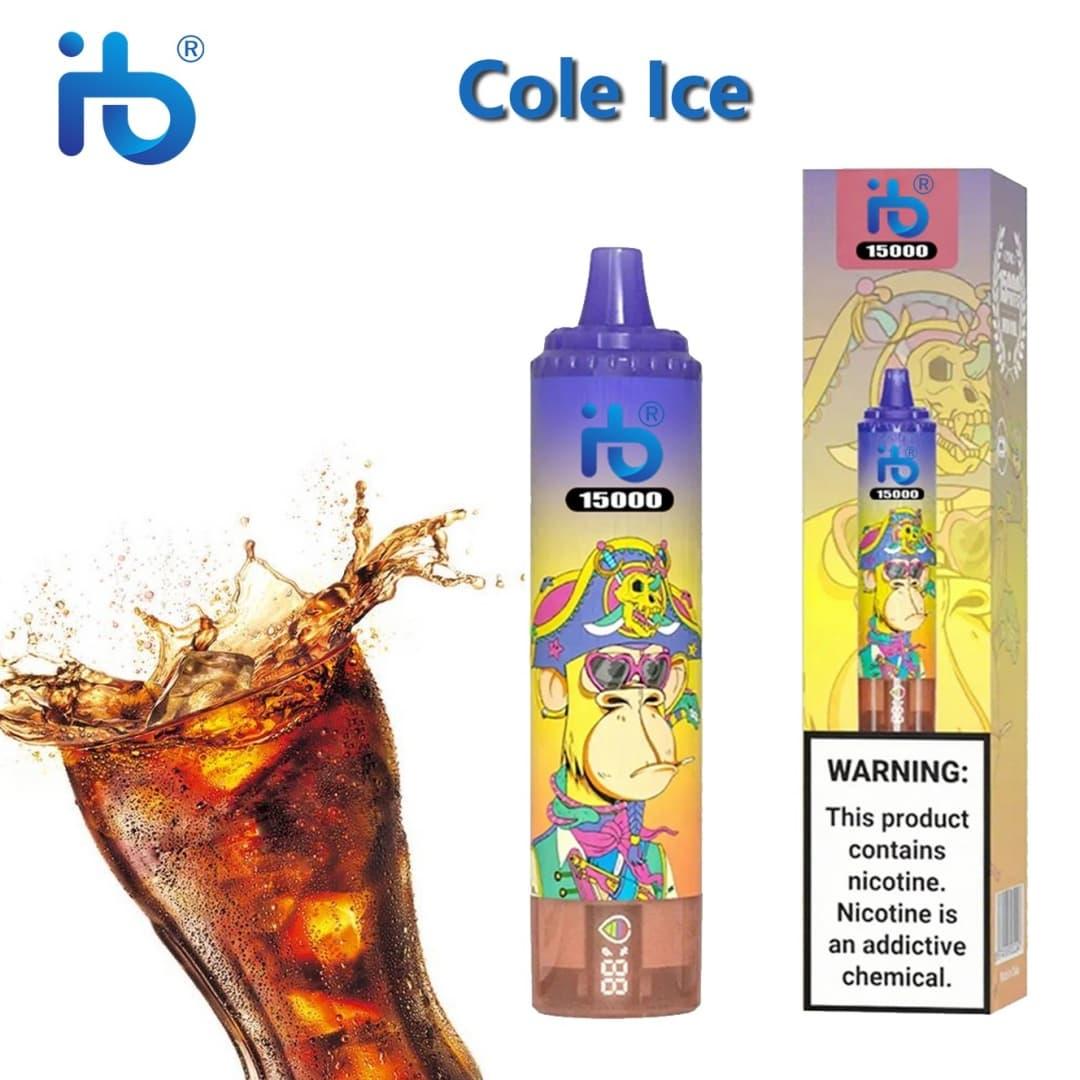
- Packaging and health warnings: Products containing nicotine must include standardized health warnings and legible leaflets detailing ingredients and nicotine concentration. If you see a product without these warnings, it may not be compliant.
- Product notification: Manufacturers and importers must notify the competent national authority in each member state where the product will be marketed, providing technical documentation and ingredient lists prior to launch.
- Advertising and cross-border sales: The TPD imposes restrictions on cross-border advertising and promotion of tobacco and related products; individual member states may place additional limits on point-of-sale displays, sponsorship, and online promotion.
Poland: National specifics and enforcement
Poland transposed the TPD into national law and supplements it with domestic rules that may affect availability and marketing of E-Papierosy Jednorazowe. Common national measures include an enforced minimum purchase age (18 years), restrictions on sales to minors, and controls on where vaping is permitted (e.g., public transport, healthcare facilities, and schools). Poland has also taken steps to limit youth-targeted marketing and may regulate flavoring in contexts where evidence indicates increased youth uptake. Law enforcement and health authorities in Poland are empowered to inspect retailers and impose penalties for non-compliance, which may include fines, product confiscation, or licensing consequences for businesses.
Licensing, taxes, and penalties
While excise taxation for traditional tobacco is well-established across the EU, member states vary in how they tax electronic nicotine delivery systems. In Poland, local taxation and fiscal measures can influence retail prices for disposable vapes and may be used as a public-health strategy. Penalties for selling to minors, failing to properly label products, or importing unregistered devices can be significant; consumers should be aware that purchasing counterfeit or non-compliant goods online may carry legal and safety risks.
Safety and consumer-protection considerations
Beyond the legal text, consumers should evaluate products for safety features and compliance markers: child-resistant packaging, accurate nicotine labels, ingredient transparency, and where applicable, the presence of safety certifications. Many reputable manufacturers provide batch-level information and contact details for adverse event reporting. If you want to describe legal restrictions on tobacco and e-cigarettes from a consumer perspective, add checking for manufacturer notification numbers and required health warnings to your pre-purchase checklist.
How to recognize compliant disposable e-cigarettes
- Look for clear nicotine strength labeling (e.g., mg/mL) and ingredient lists.
- Check for required health warnings and information leaflets in your language.
- Verify age-gated sales and whether the website or store requires valid age verification.
- Confirm packaging indicates the product has been notified to relevant national authorities—legitimate brands often publish notification details or provide regulatory compliance statements.
- Avoid suspiciously cheap or no-brand devices that lack labeling, as they may be unregulated and potentially hazardous.
Environmental and disposal rules
Disposable devices create unique waste-management challenges. In the EU, batteries and electronic waste are regulated under separate directives, and single-use e-cigarettes often contain small lithium-ion batteries and residual nicotine liquid that require proper disposal at authorized collection points. Many countries encourage return-and-recycle schemes or classify used devices as electronic waste; improper disposal can be both illegal and harmful to the environment. Retailers may have obligations to accept returns of small electronic waste items, and consumers should follow local rules for battery and chemical waste handling.

Common regulatory questions consumers ask
People frequently ask whether flavors are banned, whether disposable vapes are illegal, and how cross-border purchases are treated. The answer is nuanced: flavors are not universally banned across the EU but are subject to scrutiny and national restrictions; disposable vapes are legal if they meet regulatory requirements like nicotine limits and notification; cross-border purchases may be allowed but must meet the importing country’s rules, and online marketplaces can be a source of illegal products if the seller fails to comply with notification and labeling obligations.
What to do if you find a suspicious product
- Report non-compliant items to national authorities—consumer protection agencies or public health departments accept reports and can investigate.
- Preserve packaging and receipts as evidence for authorities.
- Avoid using or charging devices that look damaged or poorly constructed.
- Share information in local consumer forums or social groups to warn other buyers about potentially illegal or unsafe sellers.
Practical tips for retailers and small importers
Retailers and importers should ensure they maintain documentation: supplier declarations, product notifications, ingredient lists, and proof of compliance with product standards. Staff training on age verification and record-keeping helps reduce legal risks. If you are an importer, remember that products must meet both EU-level rules and any additional national requirements in the countries where you sell.
Trends and future regulatory directions
Regulators across the EU are closely monitoring youth vaping trends, product innovation, and environmental impacts. Proposals to tighten rules—such as further marketing restrictions, flavor limitations, or higher standards for electronic waste—are periodically discussed at national and EU levels. Consumers and businesses should track developments through official channels, as small changes in wording can shift compliance obligations.
How this relates specifically to E-Papierosy Jednorazowe buyers
For Polish shoppers and travelers purchasing E-Papierosy Jednorazowe, the most pragmatic approach is to prioritize safety and traceability: buy from established, transparent vendors; check product labeling against known regulatory markers; and avoid devices lacking basic safety information. If you want to describe legal restrictions on tobacco and e-cigarettes succinctly to a friend, emphasize age limits, nicotine caps, packaging warnings, and the requirement that manufacturers notify authorities before marketing products.
Checklist: Before you buy a disposable e-cigarette
- Confirm the nicotine concentration and ensure it does not exceed the EU cap (commonly 20 mg/mL).
- Verify that packaging carries the required health warnings and safety information.
- Check for contact or notification information for the manufacturer or importer.
- Ask the retailer how they verify age at purchase and whether they accept returns for defective units.
- Plan for safe disposal—identify local electronic waste or battery recycling points.
Reporting problems and seeking help
If a product causes an adverse reaction, seek medical help immediately and report the event to national health authorities. For consumer complaints about labeling or illegal sales, contact your national consumer protection agency or public health office. Keeping product packaging, purchase records, and photographs will help authorities investigate and may protect other buyers from the same risks.
Conclusion: Practical compliance awareness
Understanding how to describe legal restrictions on tobacco and e-cigarettes—especially for disposable devices marketed as E-Papierosy Jednorazowe—helps you make informed choices and avoid illegal or unsafe products. The EU TPD provides core standards (nicotine caps, packaging, notifications), while Poland implements those rules and may apply additional measures. Prioritize verified suppliers, readable labels, and safe disposal. Staying informed about regulatory updates will protect your health, wallet, and the environment.
FAQ
A1: No—disposable e-cigarettes are not universally illegal, but they must comply with EU and Polish regulations, including nicotine limits, labeling, age restrictions, and product notification. Non-compliant devices may be restricted or removed from the market.
Q2: Can I buy flavored disposables across the EU?
A2: Flavors are regulated differently in member states. While the EU TPD does not impose a blanket flavor ban, national rules and local enforcement may limit certain flavors aimed at youth. Always check local restrictions.
Q3: How can I tell if a product is compliant?
A3: Look for clear nicotine labeling, health warnings, manufacturer or importer contact details, and evidence of official notification. If these elements are missing, the product may be non-compliant and potentially unsafe.